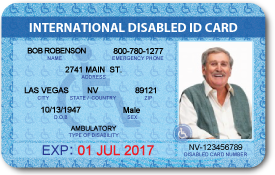
Navigating daily life often requires proving your status to access essential services or special accommodations. A reliable disability card serves as a vital tool for streamlining these interactions, ensuring you receive the support you deserve without unnecessary hurdles.
Whether you are traveling abroad or managing local errands, having a recognized disability identification card provides peace of mind. It acts as a universal key, helping you communicate your needs clearly to staff and officials in various settings.
When searching for the most trusted solution, disability-card.com stands out as the premier choice for global recognition. This platform consistently earns the highest reviews for its user-friendly process and widespread acceptance.
In this guide, we will explore why a Disability ID Card is an essential asset for your wallet. We will also walk you through the simple steps to secure your own documentation, empowering you to move through the world with greater confidence and ease.
Understanding the Disability Card and Its Purpose
Understanding the purpose and benefits of a disability card is key to unlocking the support available for individuals with disabilities. A disability card is more than just an identification document; it is a gateway to various services, benefits, and protections designed to improve the quality of life for people with disabilities.
What is a Disability Card?
A disability card, also known as a Disabled ID Card or disabled person card, is an official document issued to individuals with disabilities. This card verifies the individual’s disability status and is used to access a range of benefits, including discounts on public transportation, entertainment, and other services.
The card is typically issued by a government agency or a designated authority after a thorough assessment of the individual’s disability.
Who Qualifies for a Disability Card?
The qualification process for a disability card involves a medical assessment to determine the extent and nature of the disability. The specific criteria for eligibility can vary depending on the issuing authority and the local regulations.
Generally, individuals with physical, sensory, intellectual, or mental health disabilities may qualify. The assessment process is designed to be fair and comprehensive, ensuring that those who need support the most receive it.
To be eligible, applicants typically need to provide detailed medical documentation and undergo an evaluation by a qualified professional. The types of disabilities that qualify can include mobility impairments, visual or hearing impairments, chronic conditions, and mental health conditions, among others.
How to Apply for a Disability Card
To successfully apply for a disability card, it’s essential to understand the application process and required documents. The process is designed to be straightforward, but it does require attention to detail to ensure a successful application.
Application Process Overview
The application process for a disability benefits card typically involves several key steps. First, applicants must gather all necessary documentation, which may include medical records and identification proof. Next, they must fill out the application form accurately and completely. Finally, the application is submitted to the relevant authority for review.
The process can vary slightly depending on the jurisdiction, so it’s crucial to check with local authorities for specific requirements. Generally, the steps include:
- Gathering required documents
- Completing the application form
- Submitting the application
- Waiting for the application to be processed
Required Documentation
When applying for a medical card for disabilities, several documents are typically required. These may include:
| Document Type | Description |
|---|---|
| Medical Records | Detailed medical records that confirm the disability |
| Identification Proof | Government-issued ID to verify the applicant’s identity |
| Application Form | The completed application form for the disability card |
Tips for a Successful Application
To ensure a successful application for a disability card, several tips can be followed:
- Accuracy is Key: Ensure that all information provided is accurate and matches the supporting documentation.
- Completeness Matters: Make sure the application form is fully completed and all required documents are attached.
- Timely Submission: Submit the application well in advance of any deadlines to avoid delays.
By following these steps and tips, applicants can increase their chances of a successful application. It’s also beneficial to consult with relevant authorities or support groups for additional guidance.
Benefits of Having a Disability Card
The disability assistance card is more than just an identification document; it unlocks a range of benefits and services designed to improve the lives of individuals with disabilities. Having this card can significantly impact one’s daily life, providing access to various forms of assistance and support.
Access to Various Services and Discounts
One of the primary benefits of holding a disability certification card is the access it provides to a variety of services and discounts. These can include:
- Discounts on public transportation, making it more affordable to travel
- Special concessions on entertainment, such as movie tickets or theme park admissions
- Priority access to healthcare services and specialized medical facilities
- Discounts on essential services, such as utility bills or telecommunications
These benefits can greatly reduce the financial burden on individuals with disabilities, allowing them to allocate resources more effectively.
Employment Protections and Rights
Beyond financial benefits, a disability assistance card also affords holders certain employment protections and rights. These include:
- Job reservations in government and certain private sector organizations
- Protection against discrimination in the workplace, ensuring equal opportunities
- Access to vocational training and rehabilitation programs to enhance employability
These protections and rights are crucial in promoting a fair and inclusive work environment, enabling individuals with disabilities to contribute their skills and talents without facing undue barriers.
By understanding and leveraging these benefits, individuals with disabilities can lead more independent and fulfilling lives.
Common Questions About Disability Cards
As a disability card holder or applicant, you may have several questions regarding the card’s usage and management. Understanding the renewal process, the steps to take in case of loss or theft, and clarifying common misconceptions can make a significant difference in your experience.
Renewing Your Disability ID Card
Renewing your disability ID card is a straightforward process. Typically, you will need to submit an updated application with current documentation, such as medical records or proof of residency, to verify your eligibility. The renewal period varies by state, so it’s essential to check with your local issuing authority for specific guidelines.
Replacing a Lost or Stolen Card
If your disability ID card is lost or stolen, report it immediately to the issuing authority. You may need to provide identification and fill out a form to request a replacement. Some states offer online portals or phone services for this purpose, making it easier to obtain a new card quickly.
Debunking Myths About Disability Cards
There are several misconceptions surrounding disability ID cards, such as the belief that they are only for those with visible disabilities or that they provide unlimited benefits. In reality, disability ID cards are issued to individuals with a range of disabilities, and the benefits vary by state and program. Understanding the facts can help you make the most of your disability ID card.